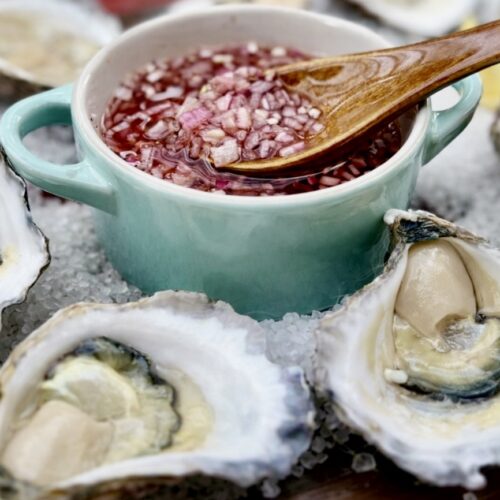
Mignonette Sauce For Oysters

A classic mignonette sauce made with red wine vinegar, shallots, sugar and pepper. Simple, elegant and perfect with fresh oysters.
Video
Ingredients
- 24 (2 dozen) oysters (NOTE 1)
- 50g/ 1.8oz finely chopped eschalots / shallots (approx. 2 medium-sized) (NOTE 2)
- ½ cup red wine vinegar (NOTE 3)
- 2 tsp sugar (NOTE 4)
- ¼ tsp salt
- ¼ tsp freshly ground black pepper
Instructions
- Combine the red wine vinegar, sugar, salt and pepper in a small bowl. Whisk until the sugar and salt have fully dissolved. Add the finely minced eschalots and stir to combine.
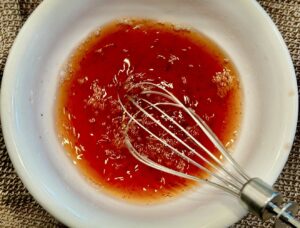
- Taste and adjust to your liking, adding a little more sugar to soften the acidity or extra salt and pepper if needed.
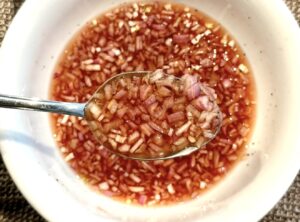
- Cover and set aside for at least 30 minutes to allow the flavours to develop before serving.
Notes
(NOTE 1) Oysters - In Australia, oysters are often conveniently sold cleaned and already shucked on the half shell. The most important thing when buying oysters is freshness. Always purchase them from a trusted fishmonger and serve them as soon as possible. Fresh oysters should smell clean and slightly briny. Avoid any oysters with a strong or unpleasant odour, as this is a sign they’re no longer fresh.
(NOTE 2) Shallots (Eschalots) - Eschalots look like small, oval-shaped brown onions. They have a milder, slightly sweeter flavour than regular onions, which makes them perfect for mignonette sauce. Finely minced, they soften beautifully in the vinegar without overpowering the oysters.
(NOTE 3) Red wine vinegar - Because this sauce is vinegar-based, using a good-quality red wine vinegar really matters. Cheaper vinegars can taste overly acidic and one-dimensional, which can overwhelm delicate oysters. A good red wine vinegar enhances the sauce, cutting through the richness of the oysters while keeping the flavour bright.
(NOTE 4) Sugar - A small amount of sugar is used to round out the acidity of the vinegar. It doesn’t make the sauce sweet, as it simply softens the sharp edge, creating a more balanced and pleasant finish.
Nutrition Information is estimated using a third-party calculator and should be used as a guide only.
Australian Measurements - All measurements on this website use Australian standard cups and spoons. For conversion details, see my Australian Cooking Measurements page.
I’d love your feedback! If you made this recipe, please leave a star rating and comment below; it really supports my blog and helps others find the recipe. Your email address is required to comment (to prevent spam) but will not be published. If you share your dish on Instagram, don’t forget to tag me. I’d love to see it! @3catsfoodie
Cheers – Cat T
Nutrition
Serving: 1oysterCalories: 22kcalCarbohydrates: 1gProtein: 1gFat: 1gSaturated Fat: 1gCholesterol: 1mgSodium: 26mgPotassium: 16mgFiber: 1gSugar: 1gVitamin C: 1mgCalcium: 2mgIron: 1mg