
Mac and Cheese for baby with broccoli
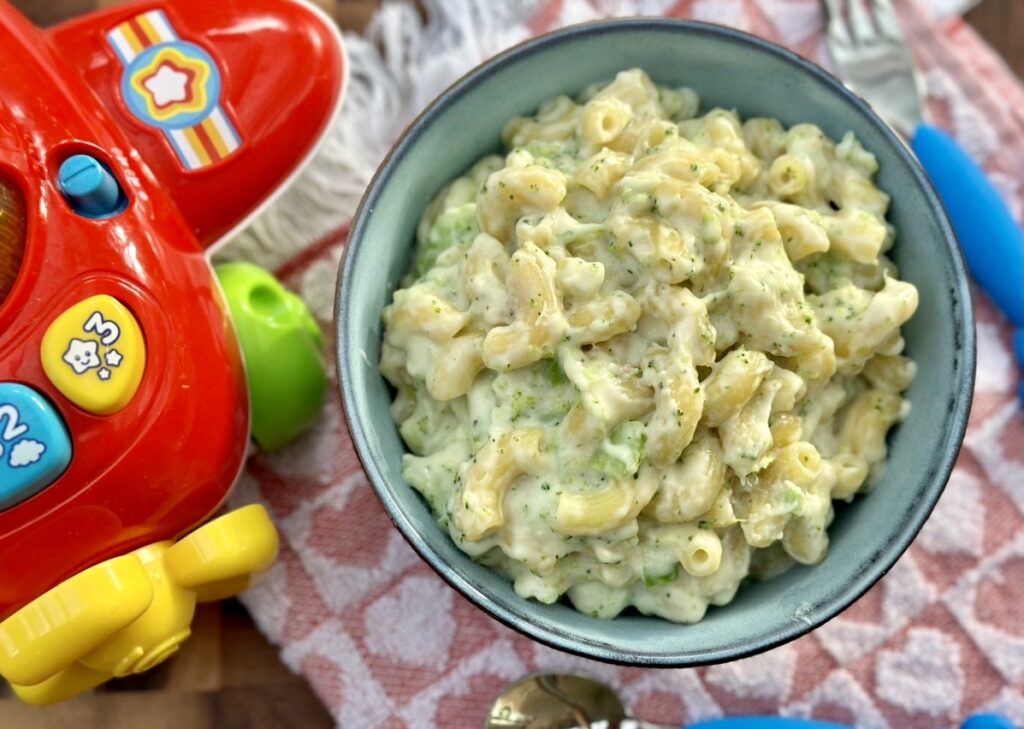
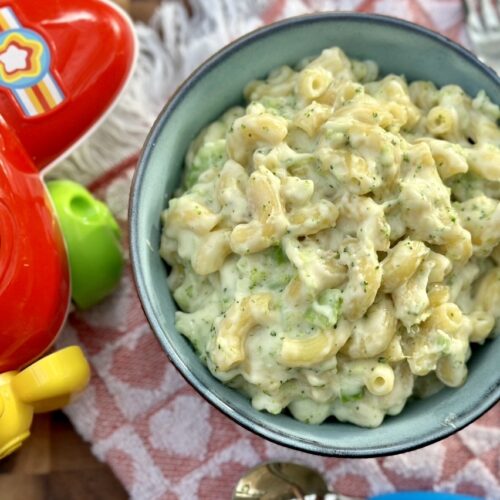
Creamy mac and cheese for baby with broccoli, made with soft pasta and a gentle cheese sauce. Perfect for babies and toddlers
Updated 23 January 2026
Mac and cheese is one meal my 21-month-old, Kai, would never refuse. Honestly, I do not think many adults would either. Who can resist pasta smothered in a cheesy, buttery sauce?
While classic mac and cheese is not the most nutritious meal for babies, it can easily be made healthier at home. Making it from scratch means it is less processed, and you have full control over how much salt and sugar goes into your baby’s meal.
And like most parents, I could not resist adding some vegetables. This mac and cheese includes broccoli for an extra boost of goodness. Yes, it is green and not very well hidden, but babies, toddlers, and even older kids are unlikely to turn their noses up at it.
During my broke uni days, I relied heavily on those famous blue boxes of mac and cheese because they were cheap and convenient. I will admit, they did not taste too bad either. It was not until I became a mum that I started questioning what was actually in them.
I could not bring myself to feed Kai one of those at his age without feeling a little guilty. Thankfully, he happily eats my homemade version and never seems to notice the broccoli. As he gets older, vegetables are becoming one of the biggest challenges at mealtimes, so him eating this without hesitation feels like a huge win.
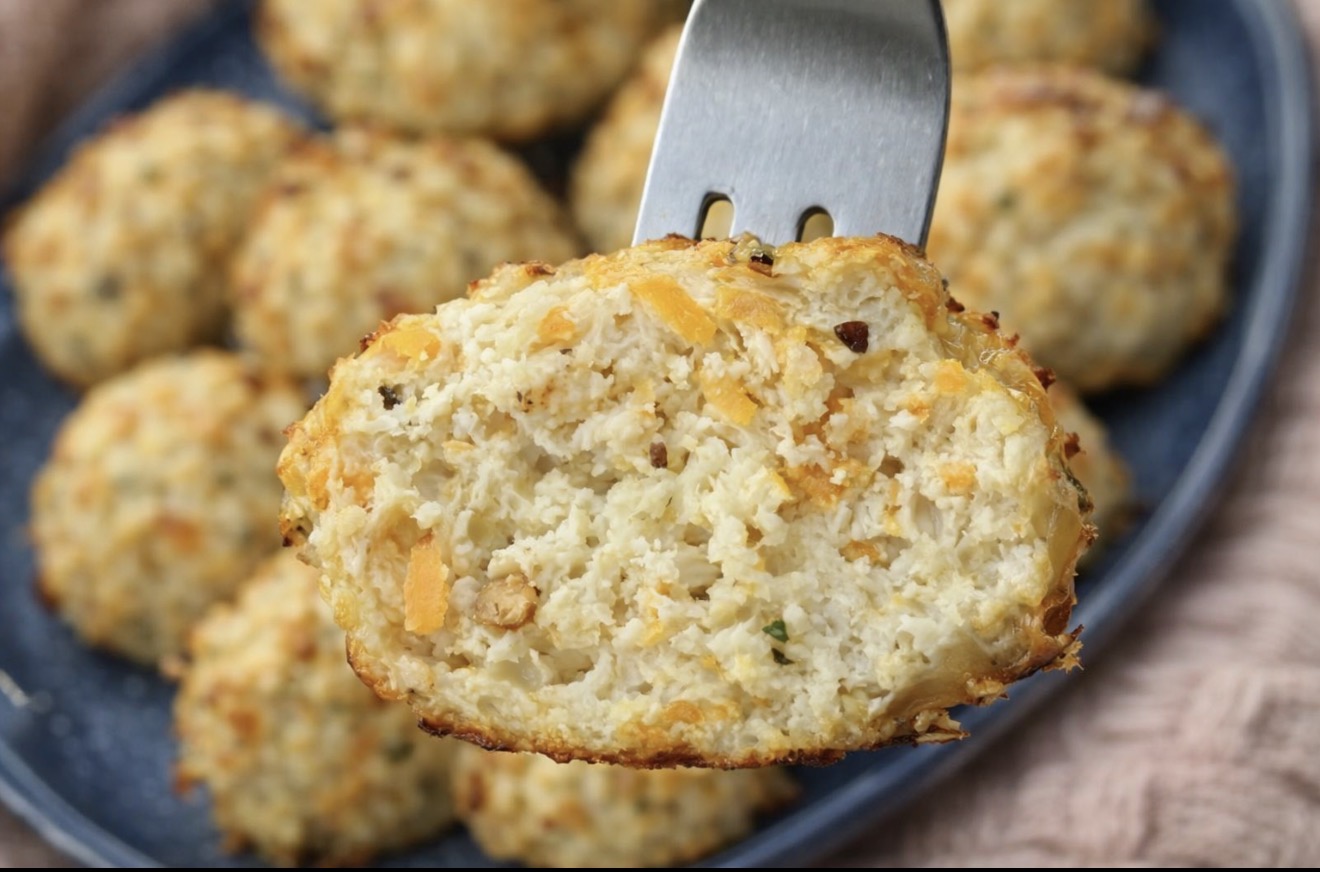
If you are looking for more easy meals for little ones, you might also like my Chicken Meatballs or this Cottage Cheese Pancakes recipe, both perfect for babies and toddlers.
Why this Mac and Cheese is suitable for babies
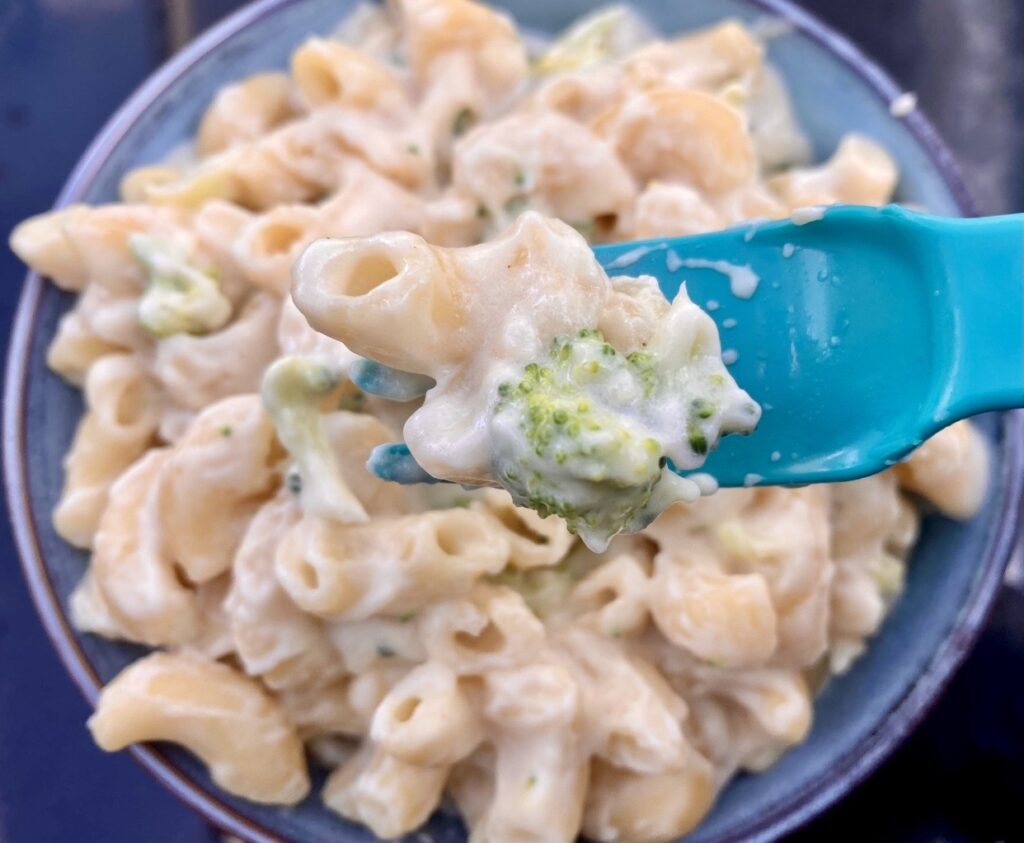
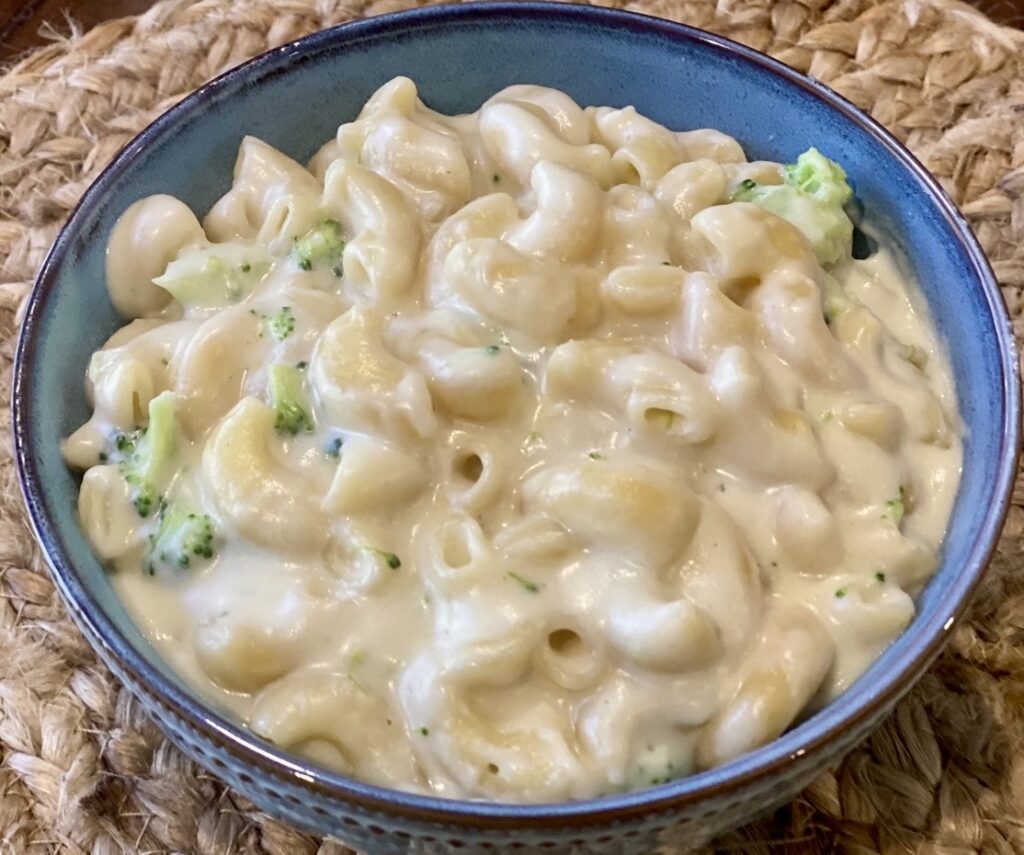
This mac and cheese is made with babies in mind, using soft-cooked pasta that is easy for little mouths to manage. The cheese sauce is gentle and creamy, without strong flavours, making it suitable for babies and young toddlers who are still getting used to new tastes and textures.
The broccoli is finely chopped and cooked until soft, so it blends easily through the dish and is easier for babies to eat. Making mac and cheese at home also means you have full control over the ingredients, including how much salt and sugar go into the meal, which is especially important when cooking for babies.
This homemade version is comforting, nourishing, and a great way to introduce vegetables in a familiar and well-loved meal.
Ingredients for Mac and Cheese for baby
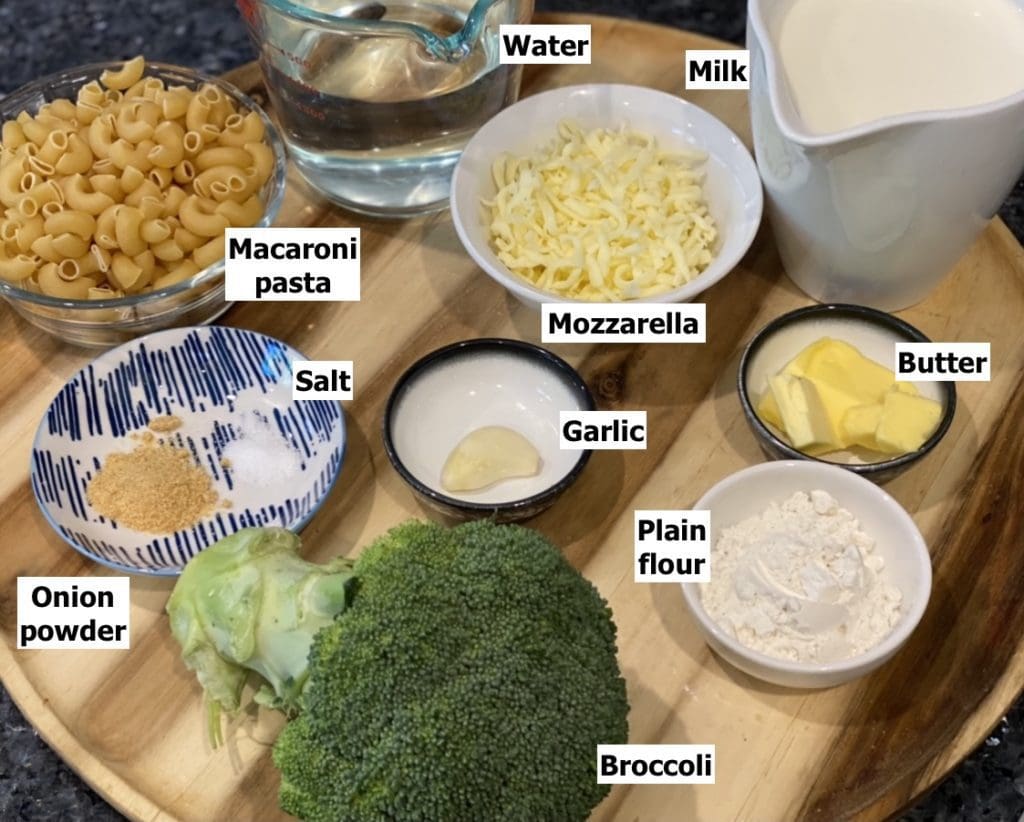
Macaroni (elbows) – These days there are plenty of healthier pasta options available, including veggie pasta, high-fibre pasta, buckwheat, and wholemeal varieties. These work well in this recipe. In saying that, stick to elbow macaroni or smaller pasta shapes, as they cook quicker and are easier for babies to manage.
Mozzarella cheese – I use mozzarella because it has a mild flavour and is relatively lower in fat and calories compared to many other cheeses. It also melts beautifully into a gentle, creamy sauce. That said, any mild melting cheese will work, such as mild cheddar.
Broccoli – I have tried many vegetables in Kai’s mac and cheese, and broccoli is the one he consistently eats, as long as I do not add too much. You can easily swap broccoli for a vegetable your child enjoys, such as corn, carrots, or zucchini. Be sure to chop vegetables into safe sizes and cook until soft to reduce choking risks.
Onion powder – Always take a moment to read ingredient labels carefully. The label on my onion powder warns that it may contain traces of sesame, which is a common food allergy. If preferred, dried parsley or other mild herbs and spices make great alternatives.
Salt – Please adjust salt based on your child’s age and dietary needs. If your baby is under 12 months, you may prefer to skip adding salt altogether.
How to make Mac and Cheese for baby
Step-by-step written guide with photos
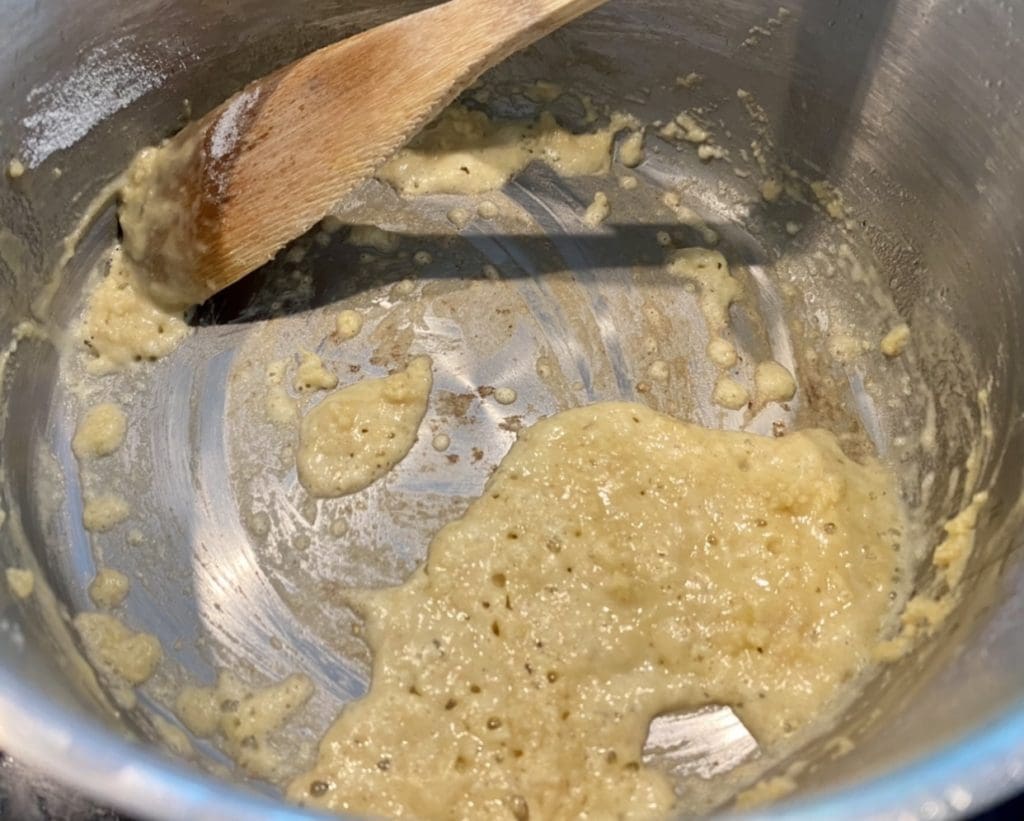
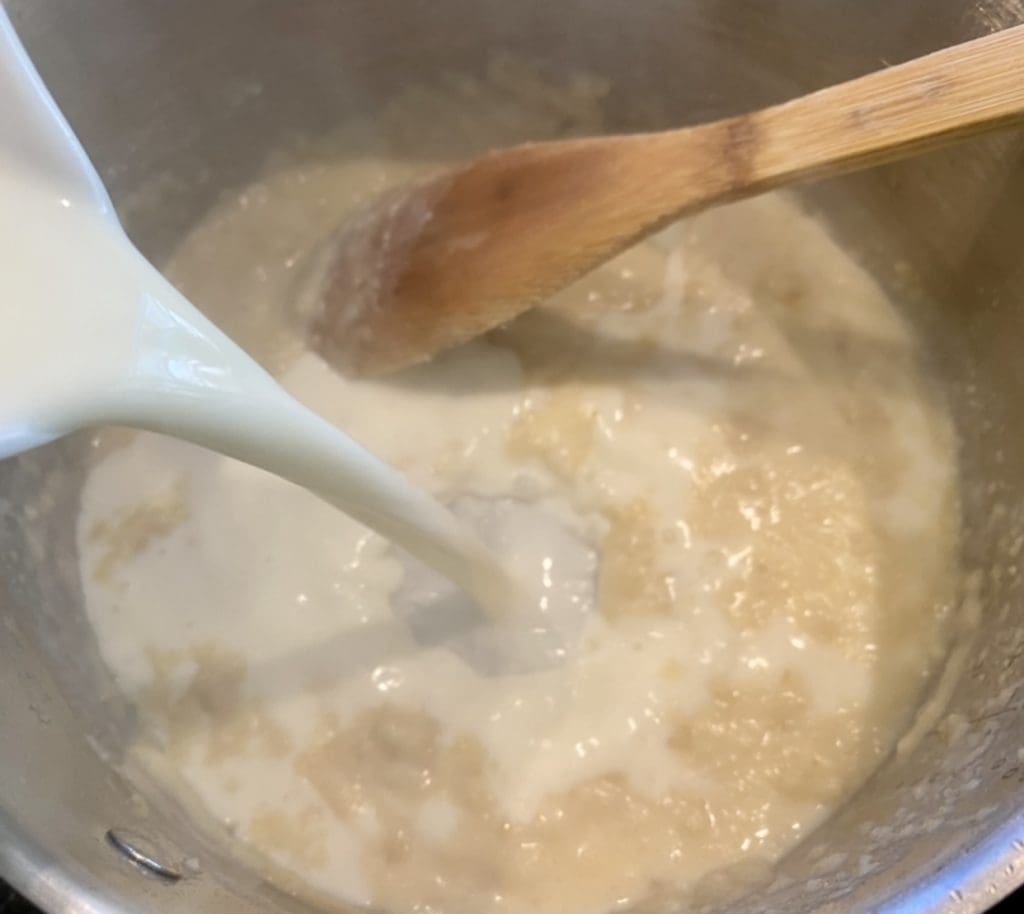
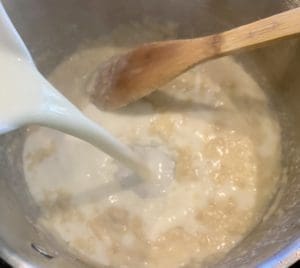
1. Melt the butter in a medium saucepan over medium heat. Add the garlic and stir for a few seconds until fragrant, then add the flour and stir continuously for about one minute. Slowly pour in the milk while whisking. The mixture may look lumpy at first, but keep whisking until smooth. Once the milk is hot, add the water and bring the mixture to a gentle boil.
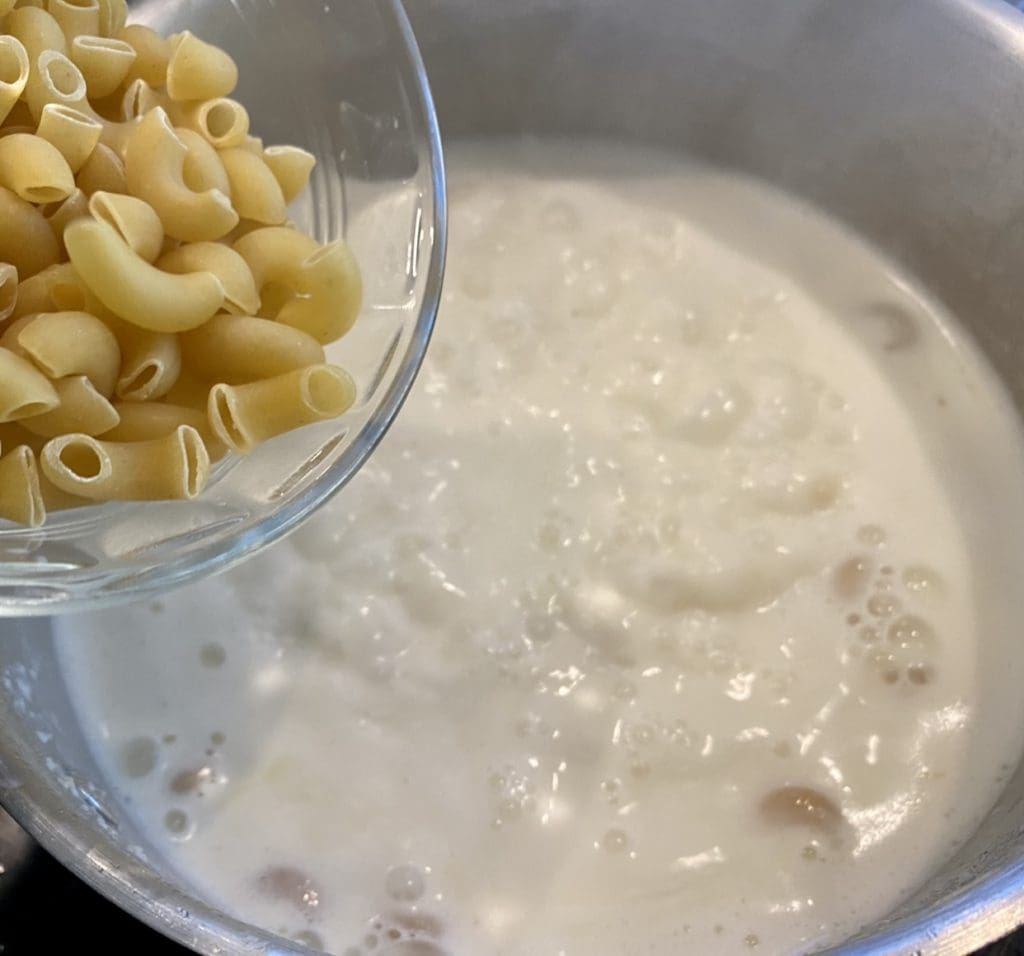
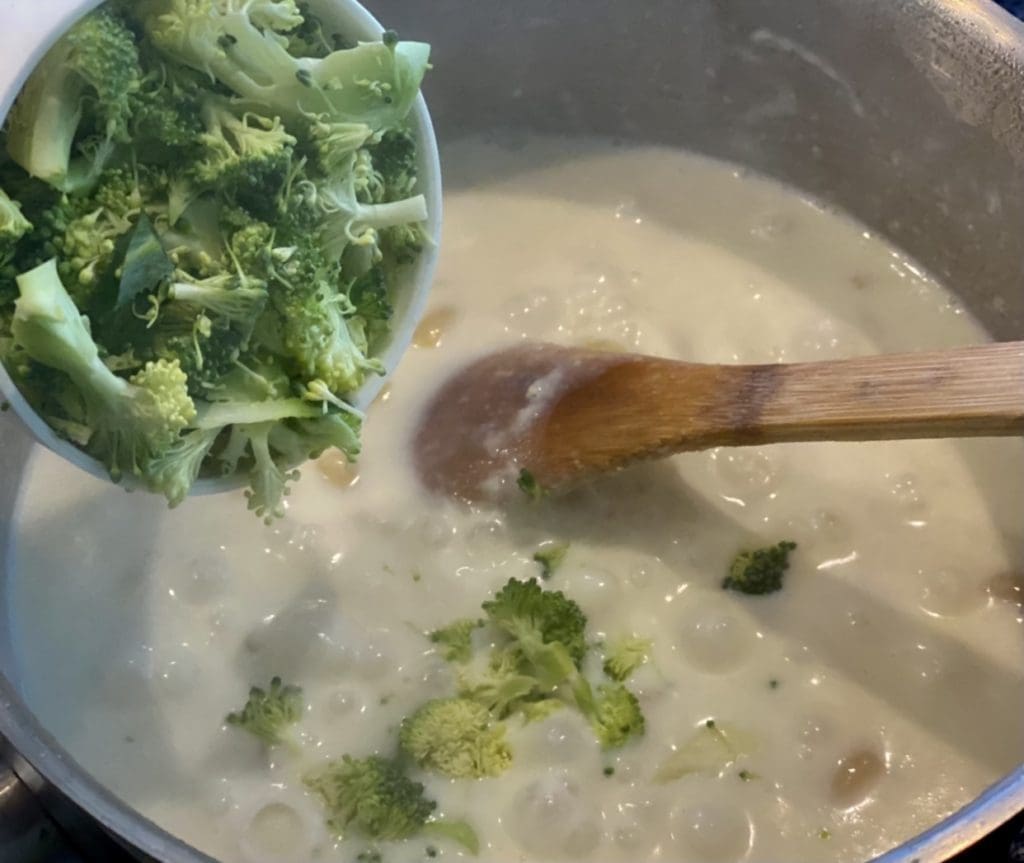
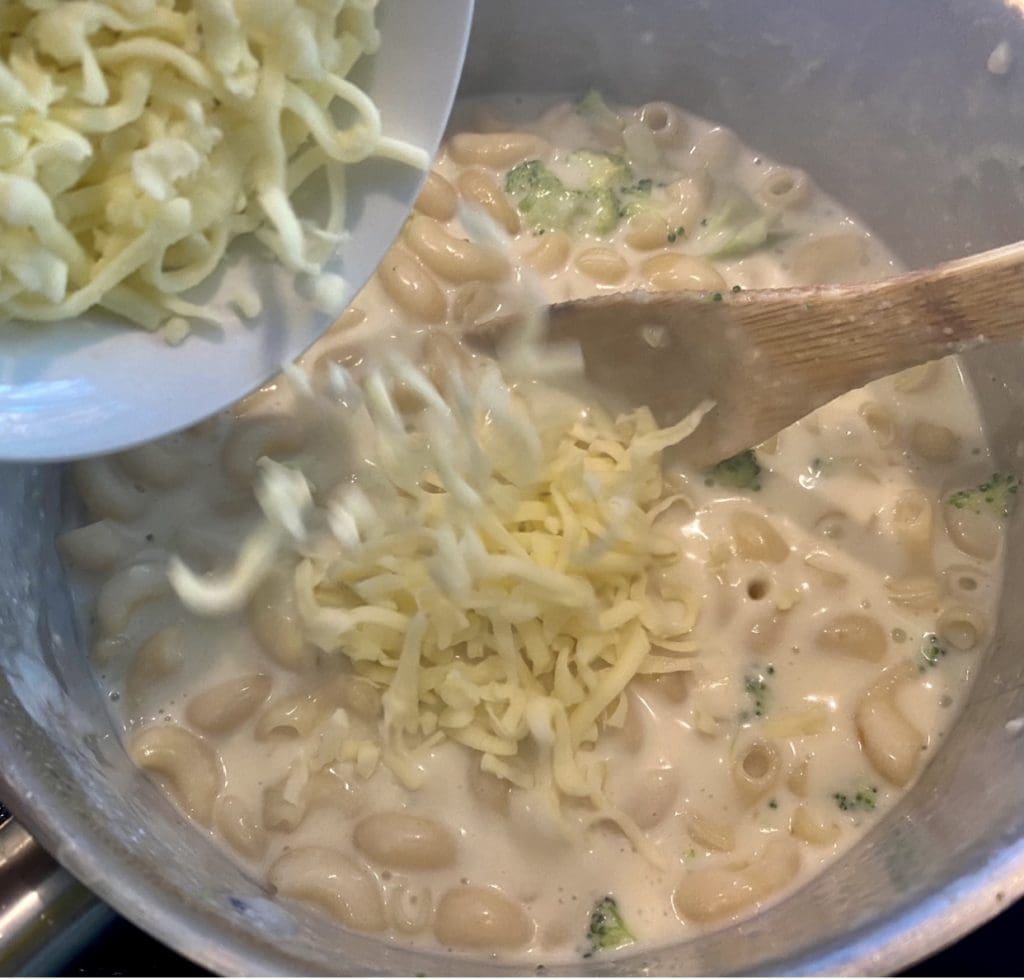
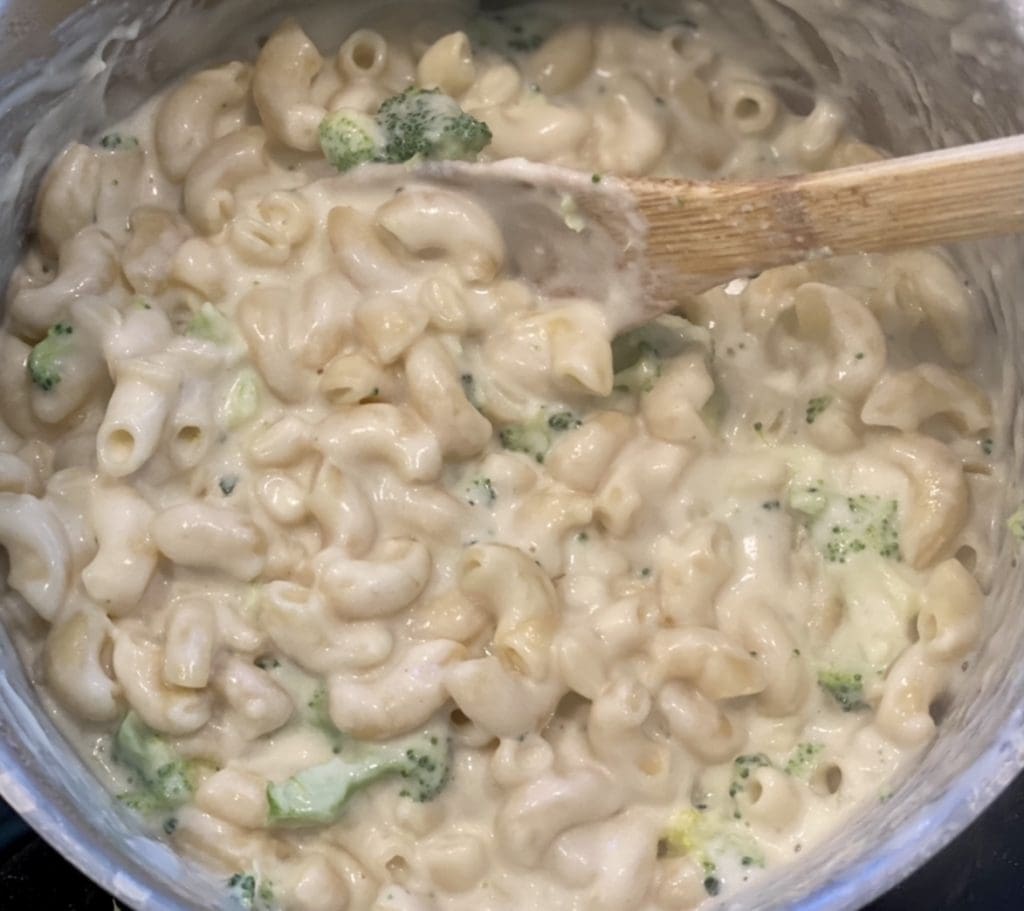
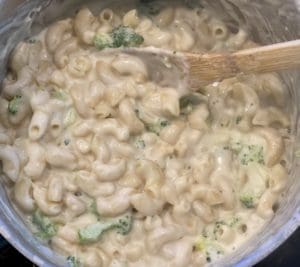
2. Add the macaroni, broccoli, onion powder, and salt, if using. Cook for 10 to 15 minutes, stirring regularly, until the pasta and broccoli have softened. Continue stirring to prevent the pasta from sticking to the bottom of the pan. The mac and cheese should remain saucy, so avoid overcooking as it can become too dry. Stir in the cheese until completely melted. The sauce will thicken further as it cools.
Age and suitability
This mac and cheese is suitable for babies and toddlers once they are developmentally ready for soft, cooked pasta and vegetables, which is often around 8 months of age.
For younger babies, you may wish to chop or mash the pasta and broccoli more finely. Older babies and toddlers can enjoy larger pieces as their chewing skills improve.
Always supervise your baby while eating and adjust the texture as needed to suit your child.
Storage and reheating
Store any leftover mac and cheese in an airtight container in the fridge for up to 2 days. Allow it to cool completely before refrigerating.
Freeze: Once cooled, transfer portions to freezer-safe baby containers and freeze for up to 2 months. Thaw overnight in the fridge before reheating.
Reheating: Warm gently in the microwave until heated through. Stir well and add a small splash of milk or water if needed to loosen the sauce. Always check the temperature and allow it to cool slightly before serving to your baby.
Frequently Asked Questions
Can babies eat mac and cheese?
Yes, babies can eat mac and cheese once they are developmentally ready (often around 8 months). This homemade version is made with gentle flavours, soft pasta, and tender broccoli, making it more suitable for babies and toddlers than store-bought options. Always adjust the texture to suit your baby’s age and chewing ability.
Is broccoli safe for babies?
Broccoli is safe for babies when cooked until soft and chopped into appropriate sizes. In this recipe, the broccoli is chopped into small pieces and cooked until tender, making it easier for babies to eat. Always supervise your baby during mealtimes.
Can I make this mac and cheese without salt?
Absolutely. If your baby is under 12 months, you may wish to skip adding salt altogether. Making this recipe at home allows you to control the ingredients, which is especially helpful when cooking for babies and toddlers.
Can I use a different vegetable instead of broccoli?
Yes, you can swap the broccoli for other soft vegetables your child enjoys, such as peas, carrots, corn, or zucchini. Be sure to chop vegetables into safe sizes and cook until tender before serving.
More baby and toddler recipes
An important note
My baby recipes are based on what I fed my son as a mum, following advice from community nurses at the time and my research. Please note that any age guides or food suggestions shared here are not professional or medical advice. Every baby is different, so please use your own judgement or speak with your baby’s nurse or doctor if you have any concerns before introducing new foods.
Nutrition Information
Nutrition information is estimated using a third-party calculator and should be used as a guide only.
Australian Measurements
All measurements on this website use Australian standard cups and spoons. For conversion details, see my Australian Cooking Measurements page.
I’d love your feedback!
If you made this recipe, please leave a star rating and comment below; it really supports my blog and helps others find the recipe. Your email address is required to comment (to prevent spam) but will not be published. If you share your dish on Instagram, don’t forget to tag me. I’d love to see it! @3catsfoodie
Cheers – Cat T
Mac and Cheese for baby with Broccoli

Video
Ingredients
- 20g / 0.7oz unsalted butter
- 1 clove garlic, minced
- 1½ tbsp plain flour or all-purpose flour
- 2 cups (500ml / 0.5 US qt) milk, full cream or whole milk
- 2 cups (500ml / 0.5 US qt) water
- 1½ cup dried macaroni pasta, elbows (NOTE 1)
- 1 tsp onion powder (NOTE 2)
- ¼ tsp salt (omit if baby is less than 12-months-old (NOTE 3)
- ½ cup chopped broccoli (NOTE 4)
- ½ cup grated mozzarella cheese (NOTE 5)
Instructions
- Melt the butter in a medium saucepan over medium heat. Add the garlic and stir for a few seconds until fragrant, then add the flour and stir continuously for about one minute. Slowly pour in the milk while whisking. The mixture may look lumpy at first, but keep whisking until smooth. Once the milk is hot, add the water and bring the mixture to a gentle boil.
- Add the macaroni, broccoli, onion powder, and salt, if using. Cook for 10 to 15 minutes, stirring regularly, until the pasta and broccoli have softened. Continue stirring to prevent the pasta from sticking to the bottom of the pan. The mac and cheese should remain saucy, so avoid overcooking as it can become too dry. Stir in the cheese until completely melted. The sauce will thicken further as it cools.

My baby boy adored this! Thank you
So cute! Thank you, Jamie
My 11 month old loved this, I’m so pleased! I used broccolini as he’s still adjusting to larger florets. I’m going to steam some pumpkin and mix it through when I make it again. Thank you for the recipe
Hi Chels,
It brings me joy to know that your adorable little one loved this recipe! Pumpkin would be a great addition, yum! Thanks for leaving this message ?
Fat chance my boy would eat broccoli, big skeptic here because anything green would turn him off. Here I am forced to eat my words, he licked the bowl clean. I’m gonna try my luck and put more veggies in next time and make double for me also
Hi Leon,
Doesn’t it feel good when they eat veggies? So glad this worked for you and your little one! Good idea to make a double batch 🙂 Thanks for taking the time to leave this comment.
Was looking for something healthier and inexpensive than what I was normally feeding my 2 year old and found this recipe which fit the bill nicely! I like the instructions were well set out and was easy even for me to follow and I had all the ingredients already in our pantry and fridge. I left the salt out of my version but The pièce de résistance is my son loved it and ate it all up. Will definitely save and use going forward!
Hi Jamie,
Thank you so much for your comment. Doesn’t it feel wonderful when our little ones enjoy our cooking?! This simple pasta is still a favourite meal for my 2-year-old, and he always licks his bowl clean afterwards.